
The Crucial Role of Regular Industrial Machine Maintenance in Maximizing Productivity
Industrial machines are the backbone of manufacturing and production processes. When these machines run smoothly, productivity soars, costs stay low, and deadlines are met. But when machines break down unexpectedly, the consequences can be costly and disruptive. Regular maintenance is the key to preventing these issues and keeping operations on track.

Why Regular Maintenance Matters
Industrial machines operate under heavy loads and often in harsh environments. Over time, wear and tear affect their performance. Without scheduled maintenance, small problems can escalate into major failures. This leads to:
Unexpected downtime that halts production lines
Higher repair costs due to damage spreading
Reduced machine lifespan from neglect
Lower product quality caused by malfunctioning equipment
By maintaining machines regularly, companies avoid these risks. Maintenance helps identify issues early, allowing repairs or part replacements before breakdowns occur. This proactive approach saves money and keeps production steady.
Types of Maintenance and Their Benefits
There are several maintenance strategies used in industry, each with its own advantages:
Preventive Maintenance
Scheduled inspections and servicing based on time or usage intervals. This reduces unexpected failures by addressing wear before it causes problems.
Predictive Maintenance
Uses sensors and data analysis to monitor machine condition in real time. Maintenance happens only when indicators show a decline, improving efficiency and reducing unnecessary work.
Corrective Maintenance
Repairs done after a fault is detected. While necessary, relying solely on this can cause costly downtime and should be minimized.
Choosing the right mix depends on the machine type, production demands, and budget. Many companies combine preventive and predictive methods for the best results.
Practical Examples of Maintenance Impact
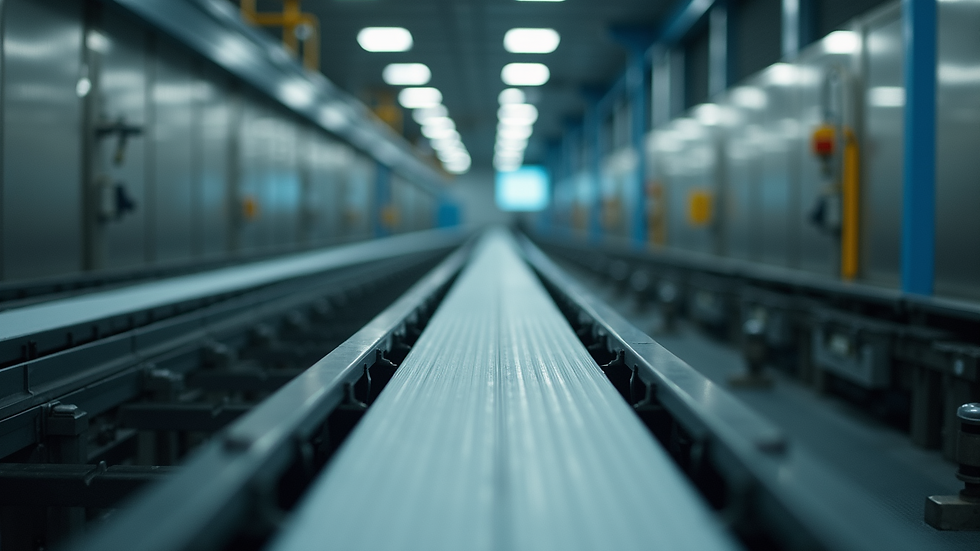
Consider a factory with conveyor belts that move products between stations. If a belt motor fails unexpectedly, the entire line stops. Repairing the motor might take hours or days, causing delays and lost revenue. However, if the motor is regularly inspected and lubricated, worn parts replaced on schedule, the risk of failure drops dramatically.
Another example is CNC machines used for precision cutting. These machines require exact calibration and clean components. Regular maintenance ensures accuracy remains high, preventing defects and waste.
How to Implement an Effective Maintenance Program
Starting a maintenance program involves several key steps:
Inventory all machines and document their maintenance needs
Set clear schedules for inspections, lubrication, and part replacements
Train staff on maintenance procedures and safety
Use technology like sensors or software to track machine health
Keep detailed records of all maintenance activities and repairs
Regular reviews of the program help identify areas for improvement and adapt to changing production needs.
The Bottom Line for Industrial Productivity
Regular industrial machine maintenance is not just a technical task; it is a critical business practice. It reduces downtime, lowers costs, and improves product quality. Companies that invest in maintenance see longer machine life and smoother operations.


Comments